Around the World Spice Cookies

by Ghislaine Ball, CG
The roots of all cuisine begin with three questions.
What is edible in this place?
How can we prepare it?
How do we make it last?
Every dish we love, from the humblest soup to the most elaborate spread, was born from the pragmatic responses to those questions.
In cold climates, grains, roots, and hardy vegetables dominated, often preserved through fermentation or storage in root cellars. In areas with longer growing seasons, diets leaned towards fruits, fish, and methods like drying or smoking to keep food safe.
Human ingenuity responded with tools, techniques, and traditions that slowly, generation after generation, transformed into what we now call cuisine. Before food was about artistry, culture, or commerce, it was about survival. The fusion of different cuisines has always existed through conquest, trade, colonization, migration, and curiosity.
The tomato, native to the Americas, is now the heart of Italian cooking. Chili peppers, another American gift, set fire to Indian, Thai, and Korean food. Rice traveled with people across continents and oceans until it became a staple in almost every region of the globe. No one reading this magazine eats a cuisine that is untouched by global influence. Yet that doesn’t erase our responsibility to acknowledge origins.
Appropriation happens when we omit or deliberately erase the people, places, and struggles behind an ingredient or dish. Appreciation is the opposite; it’s curiosity coupled with respect, an invitation to learn and give credit while savoring the shared joy of food.
Appreciation requires humility: knowing that when we cook outside our own lineage, we’re guests, not owners. At the same time, food has always been about blending, layering, and evolving. Every culture cooks with what is at hand, and “what is at hand” changes with time, trade, and migration. Fusion is simply another iteration of that old dance. The key is whether we approach it with respect or entitlement.
Food is never just about nutrients and calories. Eating is communion with our biosphere. When we choose locally sourced, whole foods, we’re not just making an economic or ecological decision; we’re aligning our bodies with the rhythm of the land around us. The greens that you grew in a window, the fish pulled from the lake up north, the apples ripened under a Minnesota sun. These foods resonate differently within your body. They connect us to place and nourish our connections in ways imported strawberries in January can’t.
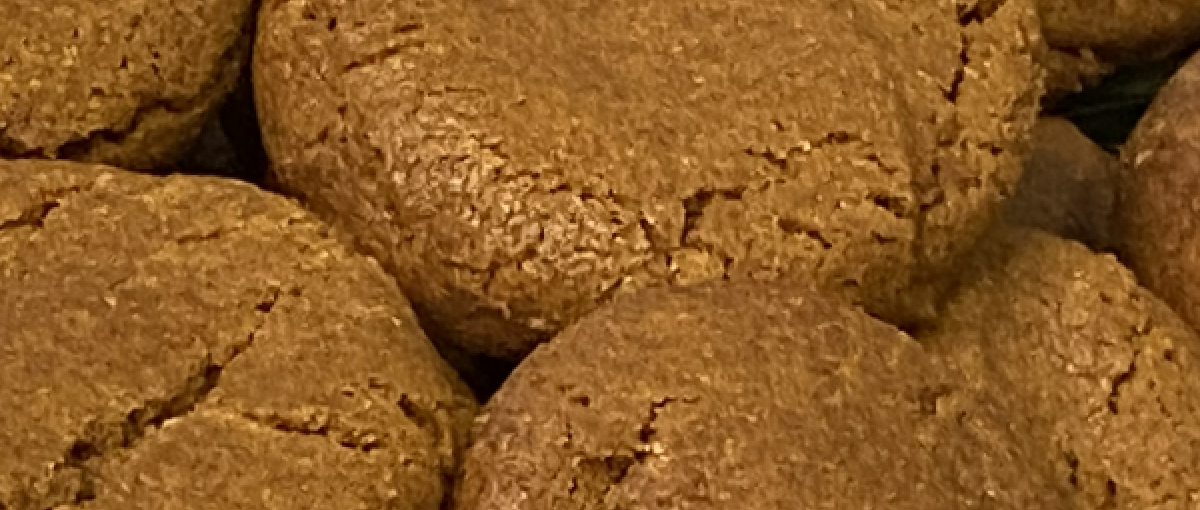
Around The World Spice Cookies
Makes approx. 25 cookies
Ingredients
2 2/3 cups all-purpose flour
1 tsp baking soda
1/2 tsp salt
2 tsp ground cinnamon
1 1/2 tsp ground ginger
1/4 tsp ground nutmeg
1/4 tsp ground cloves
1 cup unsalted butter, room temp*
3/4 cup brown sugar
3/4 cup granulated sugar
1 large egg
1/4 cup molasses
1 tsp vanilla extract
Instructions
- Preheat the oven to 350°F and line a large baking sheet with parchment paper.
- Combine and mix the flour, baking soda, salt, and spices.
- Cream the butter and sugars together with a hand mixer until smooth, light, and fluffy.**
- Add the egg, molasses, and vanilla to the butter/sugar mixture and mix again until light and creamy.
- Add the dry mixture to the wet ingredients a little at a time until fully incorporated, including any dry ingredients that may have settled in the bottom of the bowl.
- Using a 1 oz. cookie scoop, portion the dough onto your baking sheet, spacing them about two inches apart.
- Bake for 8 minutes. Cool on a wire rack. Enjoy.
- For 21+ consumption: Replace any percentage of the fat with an infused cannabis oil/butter. The ginger provides a gorgeous flavor bridge between the sweet and herbaceous notes. Visit www.thenorthbloom.com to find a cannabis infused oil recipe.
** Generally speaking, replacing butter (which contains water and milk proteins in addition to fat) with oil will change the recipe (because, chemistry!). I’ve made this one a dozen times, sometimes using all infused ghee. It’s blissfully adaptable.