
The Winter Antidote
by Laura Dizon, Prairie Island CBH
Do you feel it? That well-known "winter mood" that settles in across the North, where the long, cold, and dark days weigh heavily on us, often making us want to hibernate. Spring seems very far away, and it is normal to feel uneasy, lonely, and even depressed. What is sometimes called Seasonal Affective Disorder (SAD) is mainly caused by reduced sun exposure during colder months. It disrupts the body's internal clock and reduces the production of mood-regulating chemicals such as serotonin and Vitamin D. This biological shift, combined with the overproduction of the sleep hormone melatonin, often leads to symptoms such as low mood, sluggishness, and increased social isolation.
While our biology might pull us toward hibernation, the most effective remedy to winter blues is often found in actively pushing back. Happily, we don't have to invent the solution; cultures throughout time have already discovered it.
Indigenous wisdom, honed over countless generations, has built social structures specifically to counteract isolation. The Prairie Island Indian Community, guided by Dakota wisdom, offers a profound, living model for Bdewakantunwan people navigating the darkness and embodying this very antidote.
When the days get short, it's totally natural to feel that pull to withdraw — that's just our biology! But often, the secret to shaking off the winter blues is actively reaching out. The good news is that the solution isn't new; cultures across time have already mastered it! Ancient wisdom, especially from Indigenous communities, built social structures to make sure no one felt isolated during the darker months. The Prairie Island Indian Community, guided by profound Dakota knowledge, is a wonderful, real-life model of how to embrace this season with connection and community.
The power of this philosophy is found in the daily practice of its core values. The Dakota way of life is built upon three essential pillars that directly align with the remedy to winter isolation: Tiyóšpaye (Connection), which creates a shared safety net; Wóksape (Purpose), the shared wisdom used to benefit the community; and Wóčhantóhnake (Service), wholehearted dedication to the well-being of others.
At the heart of the Bdewakantunwan way of life is Tiyóšpaye, the essential structure built upon the idea of Connection. This is a profound recognition that you are related to everyone — your family, neighbors, and the natural world — and that you have a deep responsibility to care for them all. Being part of the Tiyóšpaye defines identity, creating a powerful structure of support and belonging that ensures no one ever feels alone.
This profound sense of belonging is then guided by Wóksape (Purpose), the shared wisdom and collective insight of the community. In this framework, living a purposeful life means continually applying this wisdom to benefit the Tiyóšpaye. This commitment to service and contribution is a powerful remedy for modern isolation and depression, ensuring our personal well-being is directly tied to the thriving of our community.
Wóčhantóhnake (the spirit of Service) is how we turn connection and purpose into real action. When you truly give your time, resources, or talents, you realize your purpose. This focus on others is a powerful way to lift your spirits and secure a lasting sense of meaning — because you are an essential, generous piece of the whole.
Translating Philosophy into Governance
Tribal Nations are translating their core philosophy into modern governance by enacting their own regulatory ordinances. The Prairie Island Indian Community established its own comprehensive Cannabis Regulatory Ordinances and a Tribal Regulatory Commission. This act directly reasserts the legal connection between the people and their land, confirming the Tribe's right to govern itself on its territory, independent of the state. Furthermore, Tribes negotiate Tribal-State Cannabis Compacts with the Governor's office. These compacts formalize a government-to-government diplomatic connection, recognizing mutual interests in safety and market regulation, which further strengthens the Tribe's fundamental right to self-governance.
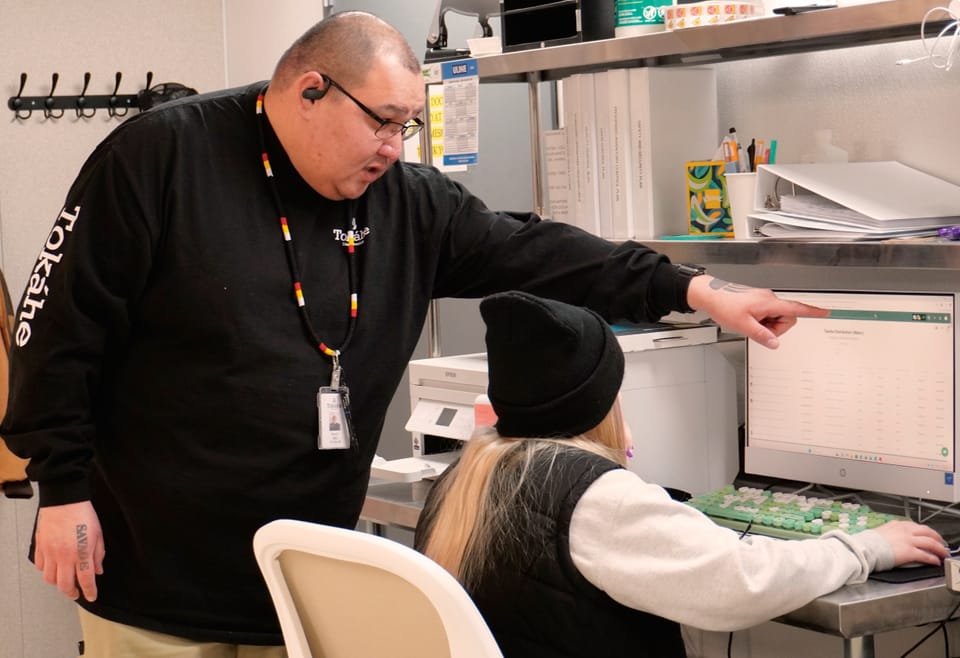
At Tokáhe Distribution, the Prairie Island Indian Community's cannabis distribution arm, the mission is to build a reliable, resilient cannabis supply chain that clearly represents their Tribal community, honors cultural roots, and delivers high-quality products with integrity.
The long-term goal for the Tribe isn't just about today; it's about making sure their community thrives for the "next seven generations." This guiding Dakota philosophy means that the work being done in this new Minnesota cannabis industry is an act of lasting purpose.
When we asked Dan Dow, a Team Lead at Tokáhe Distribution, about this vision for the future, he offered a compelling explanation to understand the business:
“Traditionally, tribes moved around with the buffalo, using different parts of the buffalo to build their way of life. In modern day, this is our new buffalo. Even though we aren’t hunting or gathering, we are still providing for the next generation through our cannabis business.” — Dan Dow
That idea shows that the work is a vital new way for the Tribe to fund essential programs — like healthcare and education — ensuring the ancient values of Connection, Purpose, and Service continue to warmly sustain the community and counteract the pull toward isolation.
For the employees working within the Tribe's new enterprise, their daily tasks are viewed through the lens of Purpose (Wóksape), tied directly to the commitment of planning for the next generations. This vision transforms the job from a simple economic transaction into an act of enduring legacy.
When asked what she felt was the most hopeful thing she was helping to build for the future, Alyssa Taylor, Inventory Manager at Tokáhe Distribution, clearly explained this sense of generational responsibility: "We are building the bones to this entire operation. Knowing that our kids and grandchildren will step into these roles someday — continuing to bring wellness to those who need it, whether for mental or physical health — that means so much." Focusing on future generations and service means the benefits of sovereignty are about more than money — they create skilled jobs and lasting resources that support the community’s long-term health and prosperity.
The wisdom shared by the Prairie Island Indian Community — in both their ancestral values and their modern actions — offers a gentle invitation to us all: the remedy for the darkness of isolation is simply to choose connection. While the winter continues, tempting us to stay under the covers, the living model of Tiyóšpaye, Wóksape, and Wóčhantóhnake reminds us that we are stronger together. It’s a wonderful reminder that taking care of ourselves isn’t something we do alone, but rather something that grows when we actively look outward.
Ultimately, the Tribe's commitment to planning for the "next seven generations" demonstrates the kindest, most sustainable expression of these Dakota values in action. This self-determination — this modern "new buffalo"— is so much more than a successful business. Think of it as a strong force that keeps us moving and actively fights off isolation, low energy, and low moods.